August 27, 2026
Choosing jewelry as a gift can feel deeply personal because the right piece often represents a relationship, milestone, achievement, or shared memory. Jewelers play an important role in helping customers navigate this decision by combining product knowledge with attentive, personalized service. Rather than simply presenting items for sale, they can help shoppers consider the recipient's style, the meaning of the occasion, practical preferences, and an appropriate budget. Their knowledge of gemstones, metals, craftsmanship, customization, and long-term care can also make a complex purchase easier to understand. With thoughtful guidance, customers can move beyond selecting something attractive and instead choose jewelry that communicates a specific feeling or message. This combination of expertise, personalization, and storytelling can turn an ordinary shopping experience into the beginning of a lasting memory.
Understanding the Customer and the Recipient
A meaningful jewelry purchase often begins with a conversation. Jewelers may ask customers about the person receiving the gift, the occasion being celebrated, and the types of jewelry the recipient already wears. Details about preferred colors, clothing styles, favorite metals, hobbies, and everyday routines can provide valuable clues. Someone who rarely wears jewelry may appreciate a simple pendant or understated bracelet, while a person who enjoys bold accessories might prefer a colorful gemstone or distinctive design.
These conversations can also reveal the emotional purpose behind the gift. An anniversary piece may celebrate years spent together, while a graduation gift can recognize hard work and the beginning of a new chapter. Jewelry given after the birth of a child may incorporate a birthstone, date, or family-related symbol. By understanding both the practical and emotional sides of the purchase, professionals can narrow a large selection into a manageable group of appropriate choices. This personalized approach helps customers feel more confident that their final selection reflects the recipient rather than simply following a popular trend.
Matching Jewelry to Important Occasions
Different occasions can influence the type of jewelry that feels appropriate. Engagements and anniversaries are commonly associated with rings, but necklaces, earrings, bracelets, watches, and other pieces can be equally meaningful depending on the recipient. Birthdays may inspire the use of birthstones, while milestone celebrations can be marked with jewelry featuring significant numbers, dates, or symbols. Jewelers can explain these possibilities while allowing the customer's personal relationship with the recipient to guide the final decision.
The jewelry market's recent growth also reflects continued consumer interest in these purchases for personal and meaningful occasions. According to IBISWorld, the jewelry stores market in the United States grew at a compound annual growth rate of 6.8 percent from 2020 to 2025. Even within a growing market offering many choices, the goal does not have to be selecting the most elaborate or expensive item. A small piece connected to a meaningful memory can carry greater emotional importance than something chosen primarily for its monetary value. Customers may also consider whether the gift is intended for everyday wear or special occasions. A practical, durable piece may be more suitable for someone with an active lifestyle, while intricate designs can work well for recipients who enjoy dressing up for events. Considering when and how the jewelry will be worn makes the gift both sentimental and useful.
Working Within a Comfortable Gift Budget
Budget is another important part of the selection process, and establishing a comfortable spending range early can make shopping more efficient. Experienced jewelers can show customers alternatives at different price points while explaining how factors such as metal type, gemstone size, gemstone quality, design complexity, and craftsmanship affect cost. This information allows customers to determine which characteristics matter most to them without feeling pressured to exceed their planned spending amount.
For example, a shopper interested in a particular look may have several options involving different gemstones, metal purity levels, or design details. A smaller stone in a carefully selected setting may create the desired appearance while remaining within budget. Customers can also prioritize features that carry personal meaning, such as engraving or a specific birthstone, rather than focusing solely on size or rarity. Transparent discussions about price help shoppers compare choices and concentrate on finding a gift whose emotional significance is appropriate for the occasion.
Creating Personalized and Custom Pieces
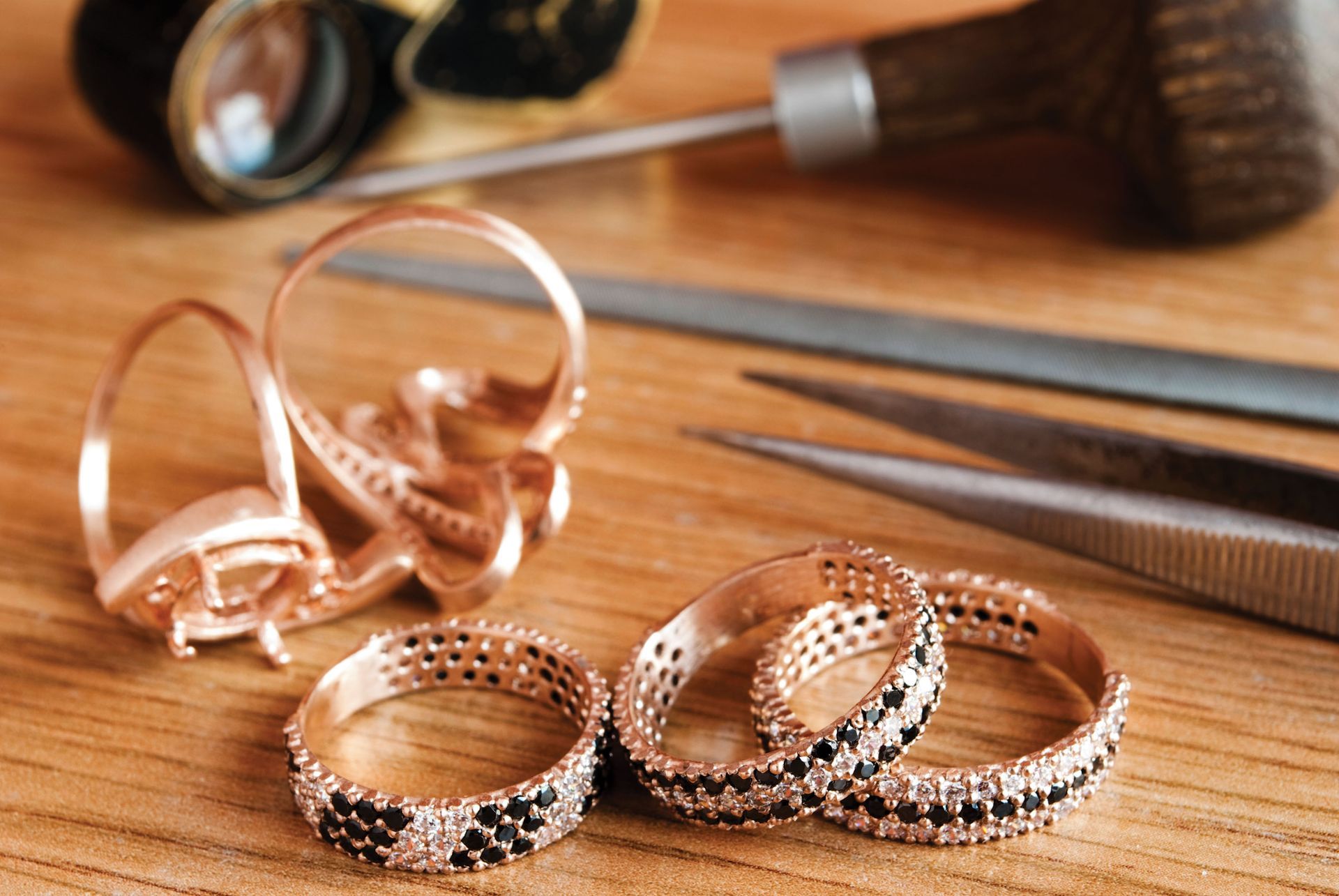
Customization provides an opportunity to make jewelry especially meaningful. Customers may request a completely original design or modify an existing piece by selecting different stones, metals, settings, or decorative elements. Jewelers can guide customers through these choices and explain how different design decisions may affect appearance, durability, production time, and cost. The collaborative process allows the giver to participate in creating something closely connected to the recipient's personality or story.
Engraving is another popular method of personalization. Initials, meaningful dates, names, coordinates, or brief messages can transform a beautiful object into a highly personal keepsake. Family jewelry may also be redesigned or restored so that an inherited gemstone or metal can become part of a new piece. This approach can connect generations while allowing older materials to fit the recipient's current style. Because custom work can require additional planning, discussing timelines in advance is particularly important when the gift is intended for a birthday, anniversary, wedding, or other fixed date.
Explaining Gemstones and Their Meanings
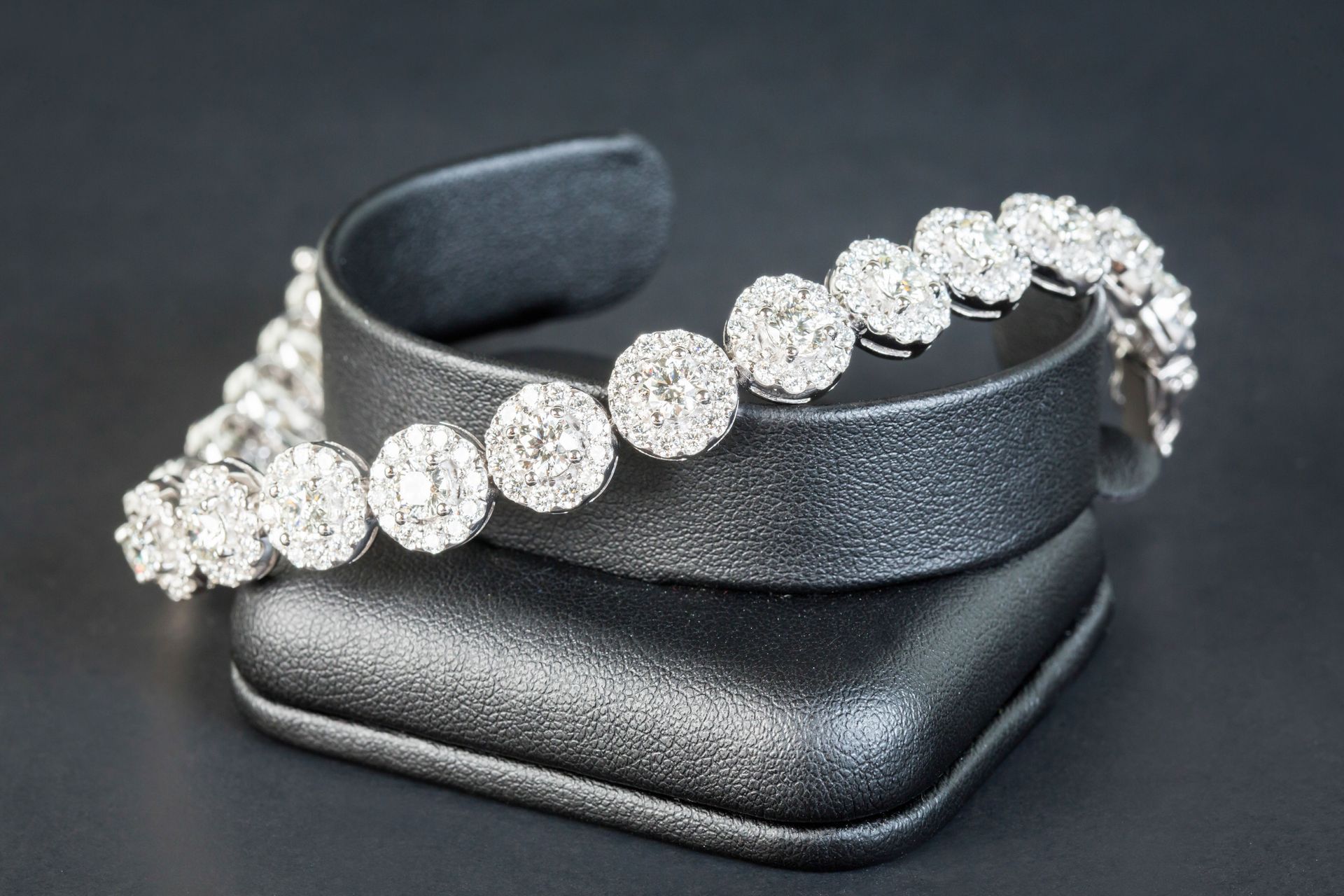
Gemstones offer numerous opportunities to incorporate symbolism and personality into a gift. Diamonds remain a familiar choice for many significant occasions, but sapphires, emeralds, rubies, amethysts, aquamarines, garnets, and other stones provide a broad range of colors and associations. Jewelers can explain the traditional meanings, birthstone connections, physical properties, and care requirements of different gems so customers can make a more informed choice.
Color can be just as important as symbolism. A recipient who frequently wears blue may appreciate sapphire or aquamarine, while someone drawn to rich green shades might enjoy emerald or another green gemstone. Customers should also consider durability, especially when purchasing a ring or another item that may be worn daily. Some gemstones tolerate regular wear better than others, while more delicate stones may require additional care. Understanding these differences helps customers select a stone that combines personal significance with realistic expectations for long-term use.
Selecting Metals for Appearance and Everyday Wear
The metal surrounding a gemstone or forming the jewelry itself affects its appearance, durability, maintenance needs, and price. Gold is available in different colors and purity levels, while platinum is valued for its durability and distinctive appearance. Sterling silver provides another widely recognized option and can work well for many styles and budgets. Jewelers can discuss how these materials differ and help customers determine which one best matches the recipient's existing collection and daily habits.
Skin sensitivity may also influence the decision. Customers buying for someone with known sensitivities should discuss material composition and suitable alternatives before making a purchase. Color coordination is another consideration. Someone who consistently wears white-toned jewelry may prefer certain metals, while a person whose collection is dominated by warmer tones may appreciate yellow or rose-colored options. Looking at the recipient's existing accessories can provide a simple but useful reference point when the giver is uncertain about which metal to choose.
Ultimately, jewelry becomes meaningful because of the memories and relationships attached to it. A thoughtfully selected necklace, ring, bracelet, or pair of earrings can serve as a reminder of an anniversary, achievement, friendship, family connection, or other important moment for decades. When customers focus on the recipient's story rather than price or trends alone, they can select gifts with lasting emotional value. Careful guidance throughout the process helps transform jewelry from a decorative object into a personal symbol that can continue telling its story for years to come. Contact our team at Tri-County Jewelry Exchange today and learn more about our jewelry services.