How to Choose the Perfect Wedding Band to Match Your Engagement Ring Style
Selecting a wedding band is one of the most meaningful steps in preparing for your wedding. While engagement rings often receive much attention, the wedding band is equally significant, symbolizing lifelong commitment and unity. The process of choosing the right wedding band can feel overwhelming, given the wide variety of metals, designs, and styles available. Understanding how to complement your engagement ring, the types of metals to consider, and whether custom options are right for you can make the decision more manageable and enjoyable.
How to Complement Different Engagement Ring Styles With a Wedding Band
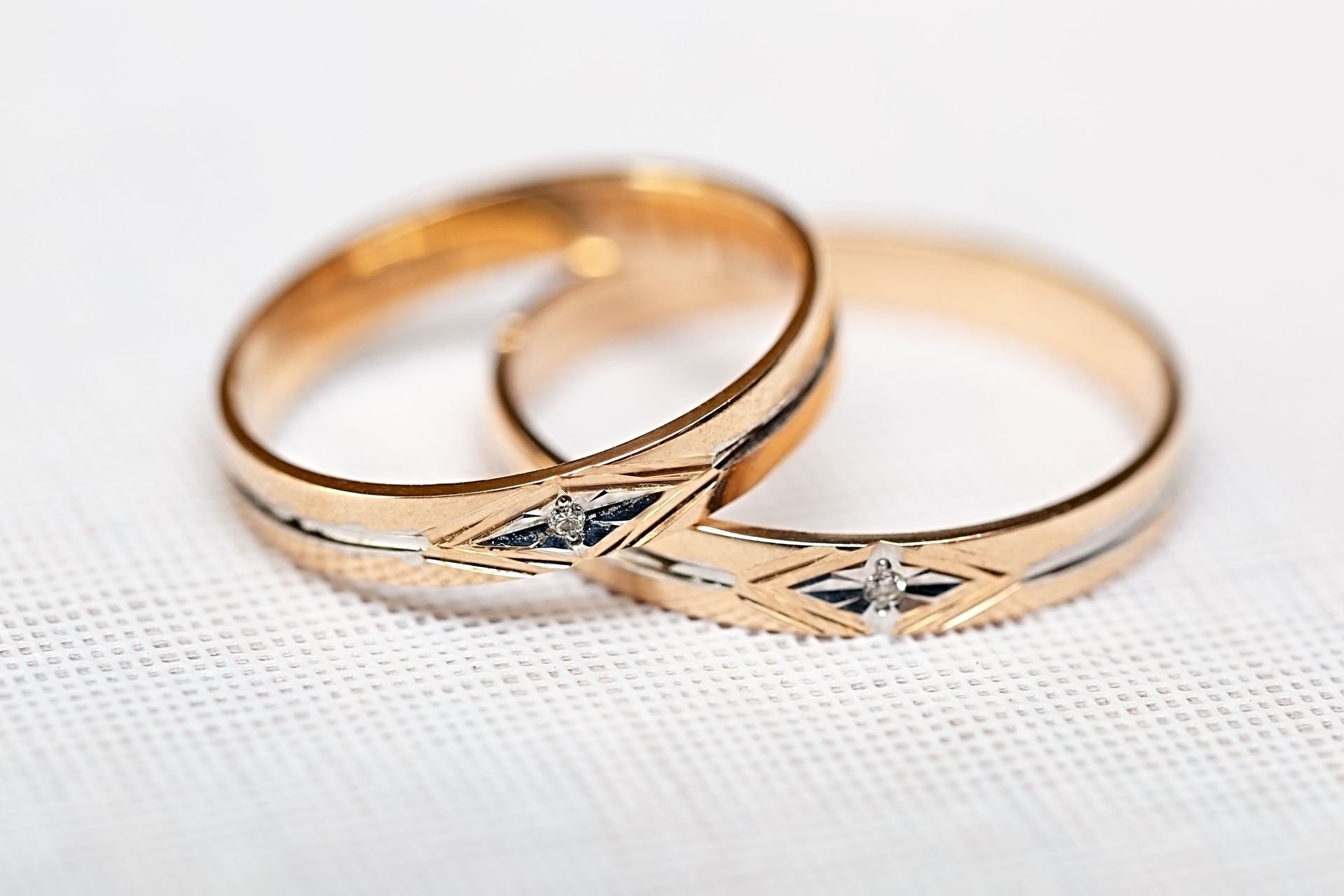
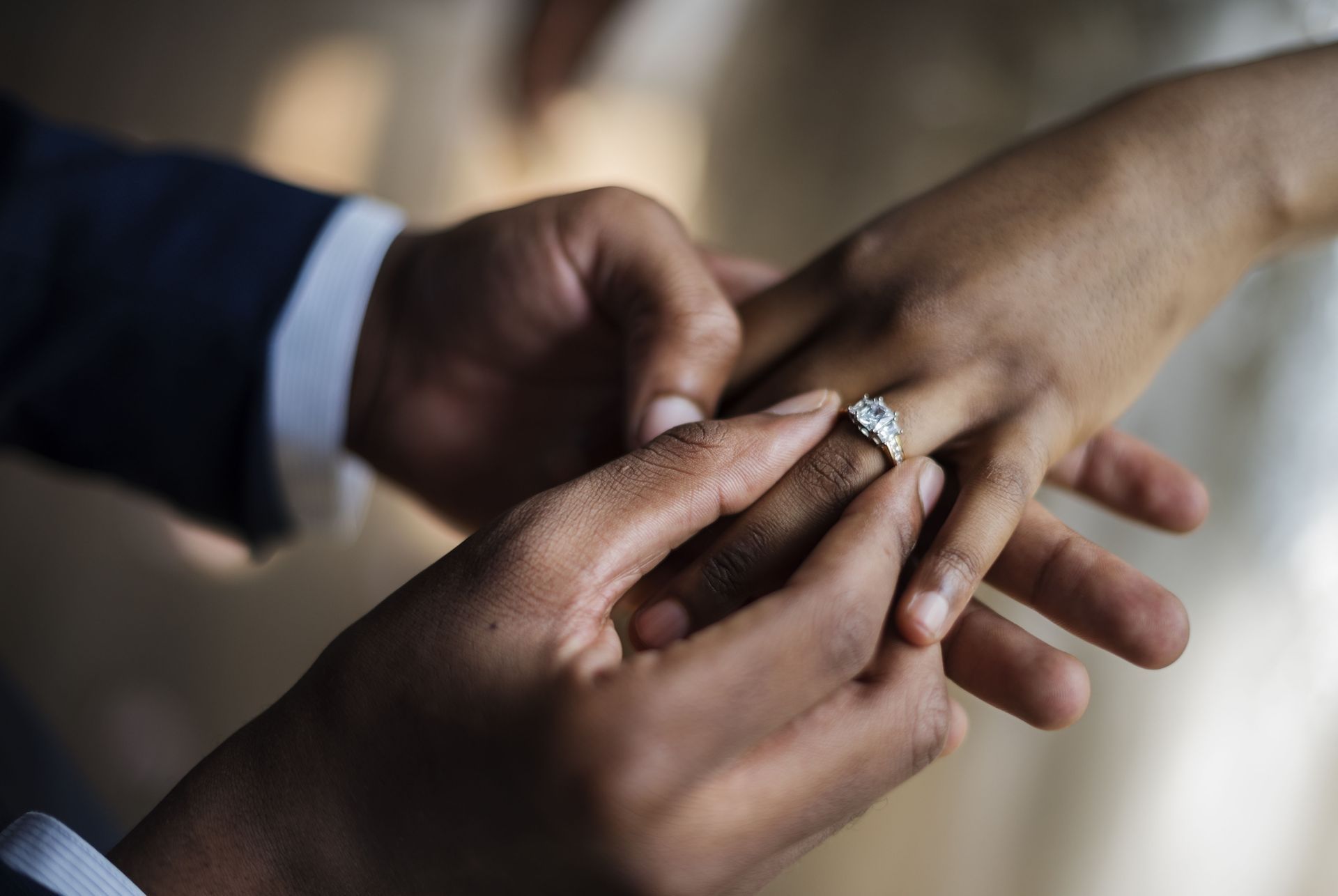
Your engagement ring sets the tone for your jewelry ensemble, and your wedding band should enhance that look without overpowering it. Different engagement ring styles call for different approaches. For example, a solitaire engagement ring is elegant in its simplicity and often pairs beautifully with a classic wedding band. A thin, understated band can emphasize the center stone, while a slightly adorned band with small diamonds or engraving can add personality without taking attention away from the engagement ring.
For more intricate engagement rings, such as halo or vintage-inspired designs, consider a wedding band that balances rather than competes. Halo rings, which feature a center stone surrounded by smaller stones, often pair well with a plain band or one with subtle accents that mirror the halo’s sparkle. Vintage or ornate rings may pair nicely with a wedding band that echoes the design elements, such as filigree or milgrain detailing.
For those with colored gemstones or unconventional shapes, wedding bands that incorporate complementary stones or unique metal finishes can create harmony. Ultimately, the key is to maintain a cohesive look where both rings shine individually and together.
What Metals Work Best for Wedding Bands?
The metal of your wedding band is just as important as the design itself. Matching the metal to your engagement ring can create a polished and unified appearance, but some couples prefer contrasting metals for a modern twist.
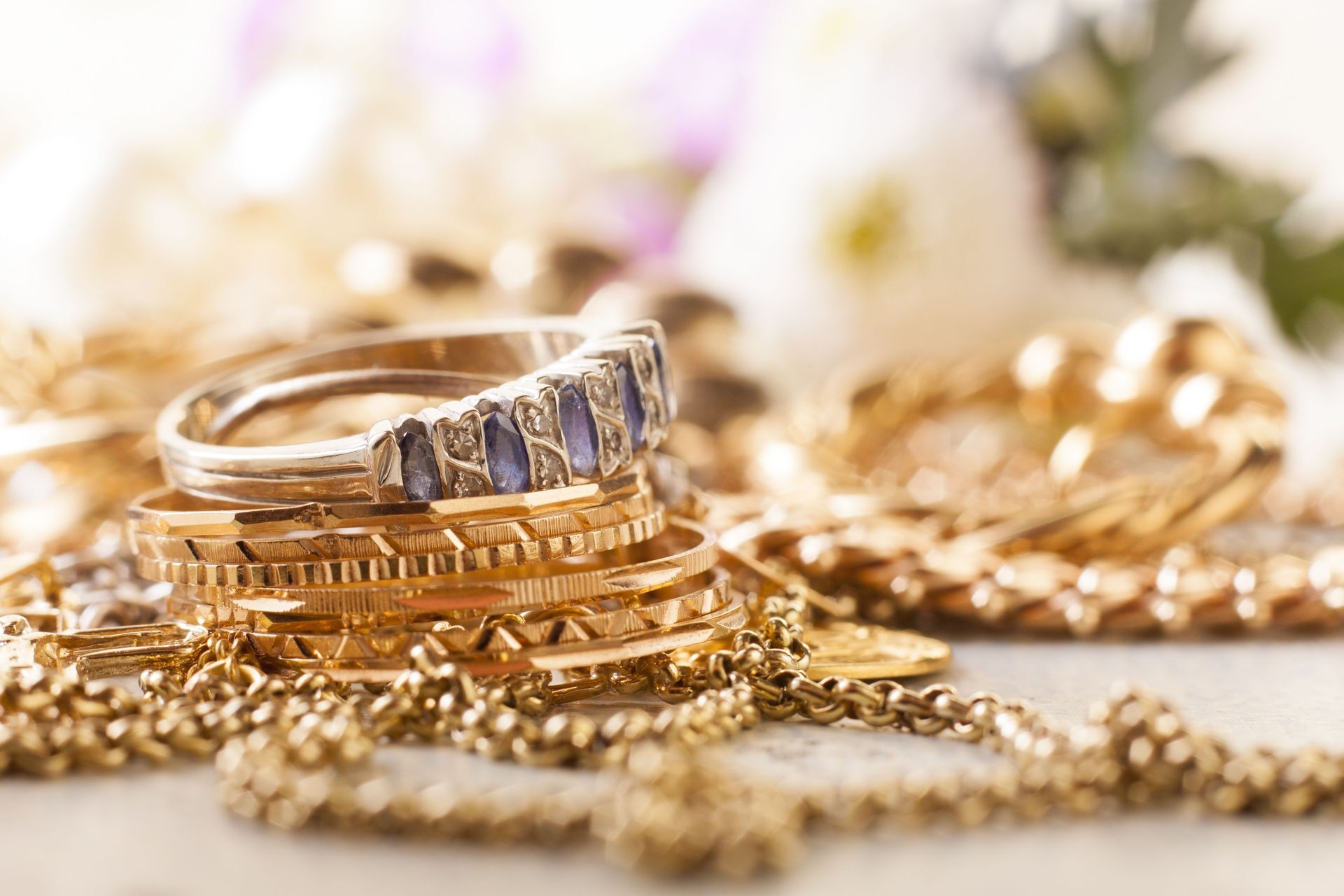
Traditional options like yellow gold, white gold, and platinum remain popular for their timeless appeal. Yellow gold complements warm tones in engagement rings and offers classic elegance. White gold and platinum are versatile and can highlight the brilliance of diamonds and white gemstones. Rose gold has surged in popularity in recent years, offering a romantic and contemporary feel.
Couples should also consider durability. Platinum is extremely durable and resistant to scratching, making it ideal for daily wear, while gold is softer but easier to resize or customize over time. Some may even choose mixed metals, pairing a platinum engagement ring with a rose gold wedding band for a striking contrast. Considering both aesthetics and practical wear is essential when selecting the right metal for your wedding band.
Should You Consider Custom Wedding Bands?
Custom wedding bands have grown in popularity as couples look for unique ways to express their personal style. According to Researchandmarkets.com, the mid-range segment of the wedding ring market accounted for 40.5% of the market share in 2024, indicating that many couples are seeking quality pieces that strike a balance between affordability and design. Custom bands allow you to choose every aspect of the ring, from the metal type and width to gemstone accents and engraving.
The benefit of a custom wedding band is that it can be tailored specifically to fit your engagement ring’s shape and style. For example, some engagement rings have unconventional settings or side stones that require a band designed to contour perfectly around them. Custom options also offer the opportunity to include meaningful details, such as engraved dates, initials, or symbols.
However, custom wedding bands often require more time to design and produce and can be more expensive than ready-made options. Couples considering this route should start the process well in advance to ensure a comfortable fit and flawless design. Despite these considerations, a custom wedding band offers a unique and highly personal way to celebrate your union.
How to Decide Between Matching Sets or Unique Combinations
Another key decision in selecting a wedding band is whether to go for a matching set or a unique combination. Matching sets are designed to complement each other perfectly in terms of metal, width, and design. This approach ensures a cohesive, classic look that is easy to wear together. For example, a matching set might include a solitaire engagement ring paired with a simple, thin
wedding band of the same metal, creating a harmonious and timeless ensemble. Matching sets also simplify future styling choices, as they inherently maintain balance and symmetry between the two rings.
On the other hand, many couples opt for a mix-and-match approach to achieve a more personalized and modern aesthetic. This can involve pairing different metals, widths, or designs that reflect individual taste while still complementing each other. Some may even incorporate contrasting textures, such as a polished band with a hammered or brushed finish, or combine gemstones of different colors. This approach allows couples to express their unique personalities and create a combination that is distinctively theirs, often resulting in a conversation-starting pair of rings that stands out from traditional designs.
Ultimately, the choice between matching sets or unique combinations depends on your style preferences and how you envision wearing your rings together. Trying on different combinations can help you see what resonates and feels right for you. It’s also helpful to consider how the rings will look alongside other jewelry you wear daily, ensuring that your wedding band complements your overall style for years to come.
Are There Best Practices for Wedding Band Shopping?
Shopping for a wedding band can feel daunting, but following some best practices can simplify the process. Start by knowing your engagement ring’s specifications, including the metal type, stone shape, and band width. This knowledge will guide your search and prevent mismatched options.
It is also wise to set a budget early, as wedding bands range widely in price depending on metal, design, and the presence of gemstones. Consider how often you plan to wear your wedding band and choose materials that balance beauty with durability. Trying on multiple styles and widths can reveal what is most comfortable and visually appealing alongside your engagement ring.
Pay attention to comfort-fit designs, particularly if you have an active lifestyle or wear rings daily. Comfort-fit bands are slightly rounded on the inside, reducing friction and making them easier to wear over time. Finally, take your time—this is a ring you’ll wear for decades, so rushing the decision can lead to regret.
Working with experienced jewelers can provide guidance and insight into options you may not have considered. Whether exploring ready-made bands, custom designs, or unique combinations, knowledgeable assistance ensures that your wedding band perfectly complements your engagement ring.
Choosing a wedding band that complements your engagement ring style is an essential step in symbolizing your lifelong commitment. From selecting the right metal and style to considering custom designs or matching sets, the process involves thoughtful decision-making. Remember to account for comfort, durability, and personal taste, and don’t hesitate to explore custom options for a truly unique piece. By considering these factors, your wedding band will not only enhance your engagement ring but also serve as a lasting symbol of love. With careful planning and attention to detail, finding the perfect wedding band is an enjoyable and meaningful part of preparing for your life together. If you're looking for the perfect wedding band, look no further than the team at Tri-County Jewelry Exchange today!