March 24, 2026
Understanding the materials used in jewelry is key to making informed purchases that balance beauty, durability, and investment value. From distinguishing precious stones like diamonds and rubies from semi-precious gems to evaluating gold karats, alloys, and plating, knowing what goes into a piece helps buyers choose wisely. Ethical sourcing and sustainable materials are increasingly important, reflecting both quality and responsibility. Coupled with craftsmanship, design intricacies, and selecting reputable sellers, a well-informed approach ensures that your jewelry investment is both aesthetically pleasing and long-lasting. Whether for personal enjoyment or as a collectible, knowledge of materials empowers smarter choices in the ever-growing global jewelry market.
Understanding Jewelry Materials
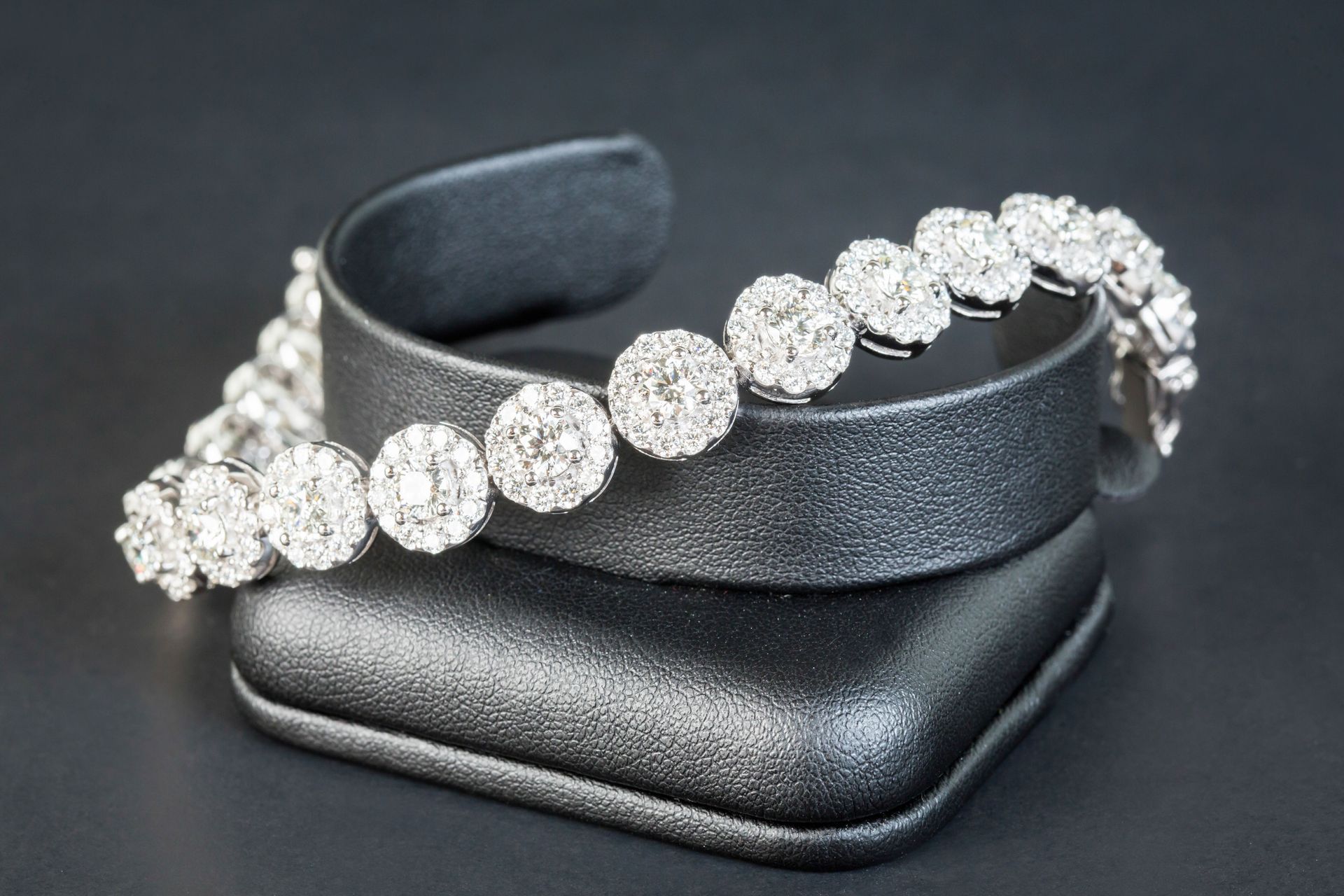
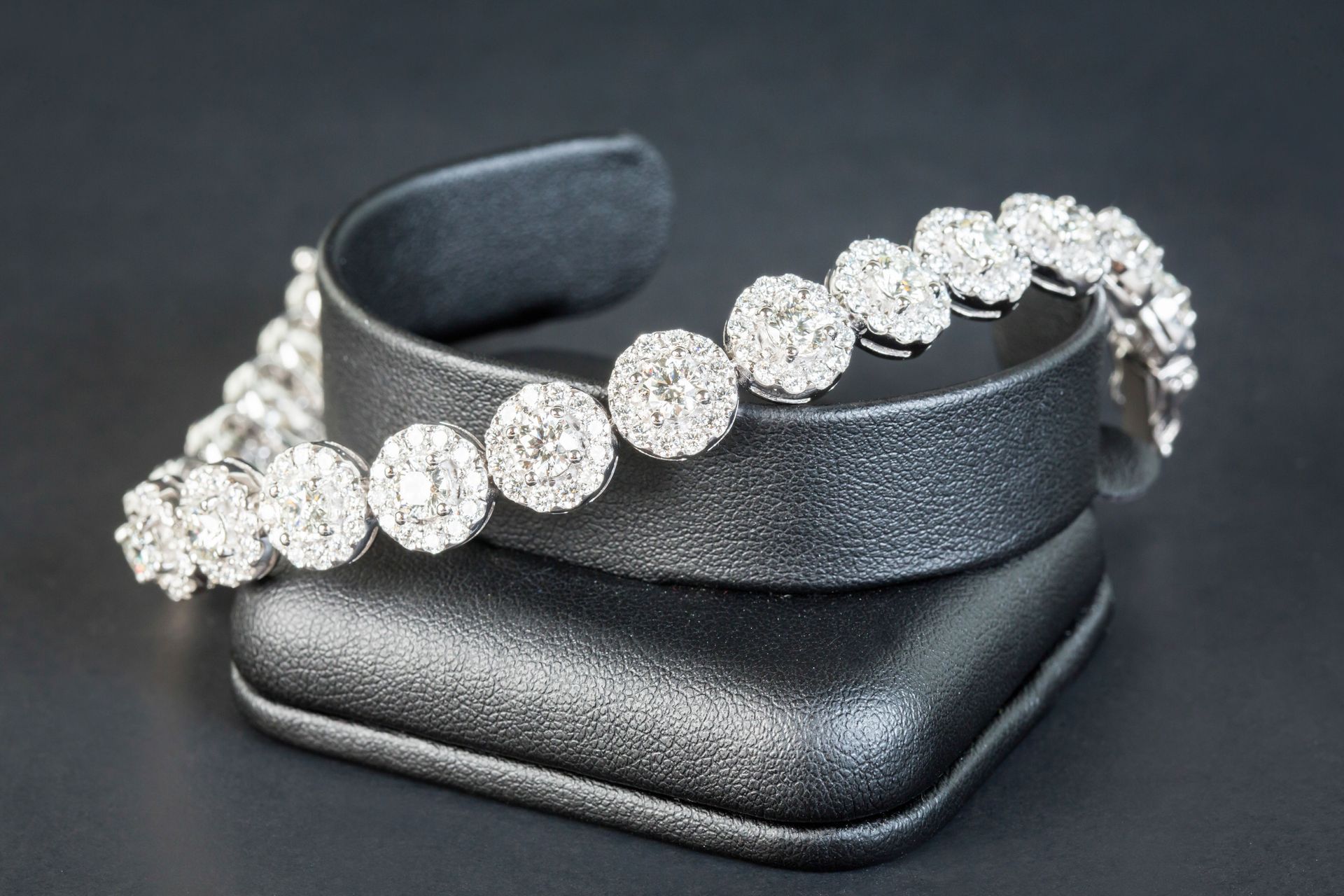
Understanding the difference between precious and semi-precious stones is fundamental to appreciating jewelry's true value. Precious stones, such as diamonds, sapphires, rubies, and emeralds, have been historically treasured for their rarity and brilliance. Semi-precious stones like amethyst, garnet, and aquamarine, while not as rare, offer unique beauty and affordability. This distinction impacts not only the price but also the investment value of jewelry for sale. With projected global jewelry market growth at an annual rate of 4.7% from 2024 to 2030, according to Grand View Research, understanding these differences will equip buyers to make prudent decisions.
Gold is a centerpiece in jewelry, and understanding karat ratings is crucial for evaluating quality. Karat measures the purity of gold, with 24-karat being pure gold. However, pure gold can be soft and less durable, leading to the creation of alloys that enhance strength. Metals with lower karat ratings, such as 18K or 14K, are often mixed with other metals to enhance durability while maintaining a significant gold percentage. This knowledge helps buyers determine the right balance between aesthetic appeal and practical wearability in jewelry.
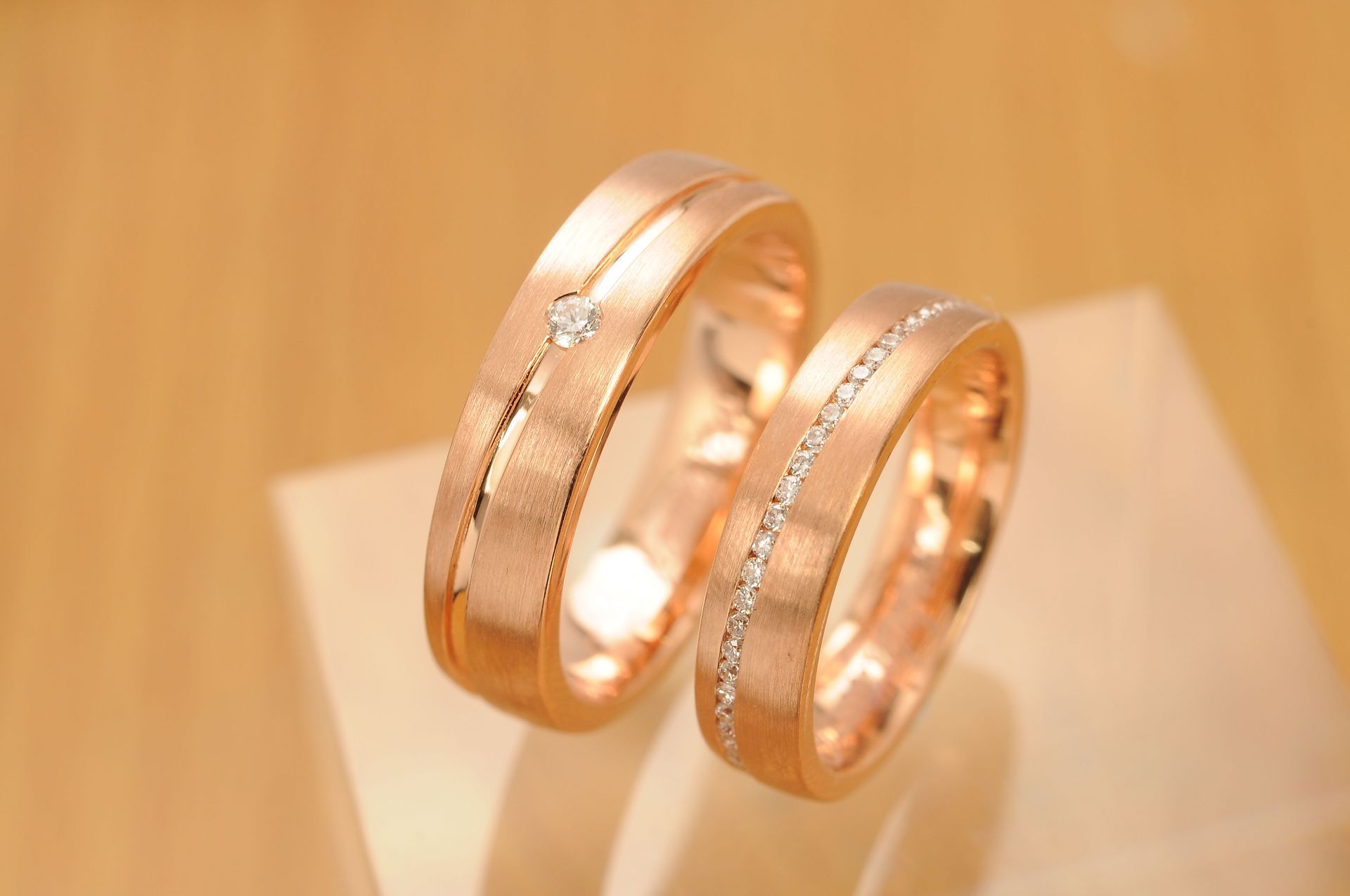
Alloys are combinations of metals that affect the color, durability, and weight of jewelry. Silver, copper, and nickel are common components mixed with gold to create different hues and sturdiness. Plating involves covering a metal with a thin layer of gold, providing a luxurious appearance without the high cost of solid gold. However, plating can wear off, so understanding the type and thickness of both plating and alloy can guide buyers toward durable pieces. Awareness of these factors ensures the longevity and appearance of your unique jewelry for sale.
The sourcing and origin of jewelry materials can affect both ethical considerations and quality. Gems sourced from conflict-free areas carry more trust and can often boost a piece's resale value. Buyers should inquire about the origin of stones and metals, as certain regions are renowned for specific types of gems with superior qualities. Transparency in sourcing practices also enables consumers to invest responsibly, aligning with ethical purchasing principles. Knowing the origin enhances both appreciation and trust in the jewelry's intrinsic value.
Eco-friendly and sustainable materials are now increasingly demanded in the jewelry market. Ethical mining practices and the use of recycled metals are becoming significant selling points for consumers aware of environmental impacts. Brands offering sustainable options often highlight their commitment to reducing carbon footprints and promoting fair labor practices. This growing trend supports environmental sustainability while maintaining aesthetic appeal and quality. A commitment to sustainable jewelry for sale can enhance not only personal style but also contribute positively to global environmental goals.
Evaluating Craftsmanship and Design
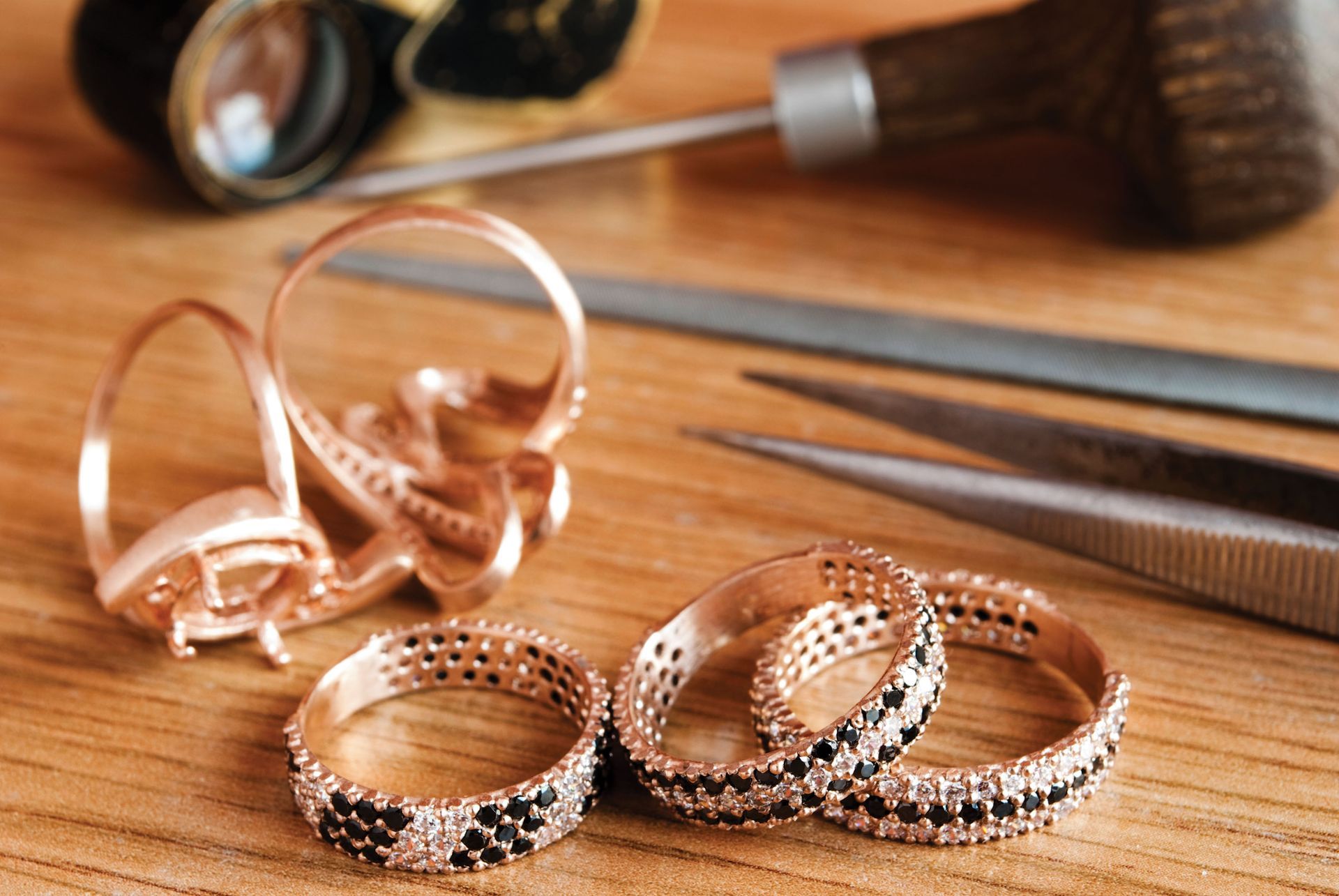
Quality craftsmanship is evident in the fine details of jewelry pieces, distinguishing them from mass-produced alternatives. Noteworthy craftsmanship involves precision in stone setting, with tight and secure mounts that enhance the stone's brilliance. Handmade jewelry showcases artisans' superior skills, often reflecting cultural influences and personal stories. These personalized elements can add emotional and monetary value to jewelry. Examining the intricacy of design helps in identifying pieces that will remain timeless and coveted in your collection.
Custom jewelry offers unique features tailored to personal taste, while mass-produced pieces provide broad appeal and availability. Custom jewelry for sale allows for personalization and the incorporation of meaningful motifs or stones important to the buyer. Conversely, mass-produced jewelry is often more affordable and accessible but may lack the unique charm of bespoke designs. Buyers seeking exclusive ownership typically favor custom options, elevating their collection's uniqueness. Weighing the advantages of each can guide you to select jewelry for sale that resonates with your personal style and investment goals.
The subtle nuances in attention to detail and finishing can significantly influence jewelry's value and appearance. Flawless finishing reflects skilled craftsmanship, ensuring lasting appeal and preventing wearer discomfort. Attention to detail ensures that clasps and fasteners function correctly, providing both security and ease of wear. The finish of the piece, including polishing and edging, contributes to its lustrous appearance. An astute eye for detail can uncover potential issues and affirm a piece's quality, supporting wise acquisition decisions.
Signature designs set apart iconic pieces, often associated with renowned jewelry brands and designers. Such designs carry exclusivity, often affecting desirability and resale value. Signature elements often incorporate unique motifs or innovative stone settings that exemplify creativity and style. Investing in signature pieces can solidify a collection's prestige and provoke admiration. Understanding the significance of signature designs contributes to informed decisions, solidifying your investment in timeless assets.
Researching and Choosing Reputable Sellers
The decision to purchase jewelry online versus in physical stores involves several considerations. Online shopping offers convenience and a vast selection, but it requires diligence in verifying seller credibility. Physical stores provide tangible experiences and personal interactions, often resulting in higher consumer confidence. Comparatively, online marketplaces offer competitive prices and customer reviews to guide purchases. Weighing these factors enables you to choose a purchasing method that aligns with your comfort level and buying criteria.
Certification offers buyers confidence in the authenticity and quality of their jewelry for sale. Certificates authenticate a piece's material composition, origin, and characteristics, such as diamonds' cut, clarity, color, and carat. Reputable sellers provide guarantees, ensuring replacement or refunds if authenticity is disputed. These assurances form a foundation of trust, critical in high-value transactions. Always seek certified jewelry to protect your investment and ensure the highest standard of material quality.
Networking with industry insiders and seeking personal recommendations can guide you toward reputable jewelers. Professional connections often offer exclusive insights into trends, pricing, and quality benchmarks. Personal recommendations from friends or family provide trusted guidance based on firsthand experience. Additionally, networks may offer access to exclusive sales or insider tips, enhancing your purchasing power. Building these networks strengthens your understanding of the industry, positioning you advantageously in acquiring high-quality jewelry for sale.
Building relationships with trusted jewelers provides significant benefits when purchasing quality jewelry. Establishing rapport fosters trust and often results in better deals, superior selections, and custom offerings. Jewelers familiar with your style preferences can offer personalized advice and early access to exclusive pieces. Long-term relationships often lead to priority customer service and return privileges. Investing effort in these relationships ensures a supportive and enriching buying experience, underpinned by mutual trust and appreciation.
Recognizing the differences between precious and semi-precious stones, evaluating gold purity and alloys, and appreciating design details ensure your selections are durable, valuable, and visually stunning. Ethical sourcing, sustainability, and relationships with trusted jewelers further enhance your confidence in each purchase. By combining knowledge with careful research, you can acquire pieces that reflect personal style, hold their value over time, and stand the test of trends.
Start your journey toward a meaningful jewelry collection today—explore certified, high-quality pieces from Tri-County Jewelry Exchange to ensure lasting beauty and investment security.